Introduction
Interior design is more than just arranging furniture and choosing paint colors; it’s an intricate blend of architecture, aesthetics, and functionality that shapes our daily experiences. In a world where we spend the majority of our time indoors—be it at home, work, or social spaces—the significance of well-thought-out interior design cannot be overstated. This article explores the multifaceted role of interior design in creating functional spaces, emphasizing its importance from both a practical and aesthetic viewpoint.
What is Interior Design?
Interior design encompasses the art and science of enhancing the interior of a space to achieve a healthier and more aesthetically pleasing environment for those using it. This process involves understanding architecture design principles, selecting appropriate materials, applying effective lighting design strategies, and considering building design elements.
Components of Interior Design
- Space Planning: The arrangement of spatial elements to optimize functionality. Color Theory: Understanding how colors affect mood and perception. Furniture Selection: Choosing pieces that fit both style and purpose. Lighting Design: Incorporating natural and artificial light to create ambiance.
PF&A Design: Leading the Way in Interior Solutions
Who We Are
PF&A Design stands at the forefront of architectural design, delivering tailored solutions that blend functionality with beauty. Our team specializes in lighting design, building design, and comprehensive interior design services aimed at enhancing user experience.
The Role of Functionality in Interior Design
When discussing "Inside Out: The Importance of Interior Design in Creating Functional Spaces," one must first consider how functionality impacts everyday life.
How Does Functionality Influence Space?
User Experience: A well-designed space enhances comfort and usability. Efficiency: Proper planning can lead to better workflow in commercial settings. Adaptability: Versatile designs allow spaces to serve multiple purposes.Creating Functional Spaces through Effective Layouts
Layouts are crucial when discussing interior spaces. A good layout maximizes flow while providing room for flexibility.
Types of Layouts
- Open Floor Plan: Ideal for social interaction but may lack privacy. Closed Floor Plan: Offers privacy but can feel isolated. Mixed Layouts: Combines strengths from both types for versatility.
The Importance of Lighting Design in Interiors
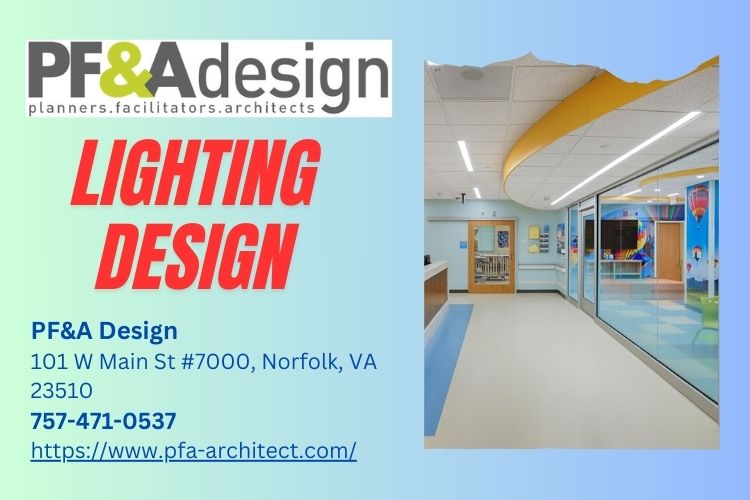
Lighting isn’t merely a functional element; it deeply influences mood and perception within a space.
Types of Lighting
Ambient Lighting: General illumination throughout a space. Task Lighting: Focused light for specific activities (e.g., reading). Accent Lighting: Highlights specific features or artworks.Smart Lighting Solutions
Incorporating smart lighting systems can enhance energy efficiency while providing customizable experiences based on user preference.
Color Psychology in Interior Spaces
Colors play a pivotal role in shaping our emotional responses to environments.
Warm vs. Cool Colors
- Warm colors (reds, yellows) tend to stimulate conversation and activity. Cool colors (blues, greens) promote calmness and relaxation.
Using Color Strategically
Careful selection can transform a dull space into an inviting haven or an uninspiring office into a dynamic workspace.
Furniture Selection for Optimal Functionality
Choosing the right furniture goes beyond aesthetics; it’s about matching pieces with their intended use.
Key Considerations in Furniture Selection
Size & Scale Material Durability Multi-functionalityEach element must align with the overall vision for the space while ensuring comfort and usability.
Innovative Architectural Designs Impacting Interiors
Architectural design deeply influences how we perceive interiors through form, structure, and materiality.
Trends in Architectural Design Influencing Interiors
Sustainable Materials Biophilic Design Minimalist AestheticsThese trends reflect contemporary values like sustainability while optimizing spaces for human experience.
Inside Out: The Importance of Interior Design in Creating Functional Spaces
In essence, “Inside Out: The Importance of Interior Design in Creating Functional Spaces” revolves around understanding how each aspect—layout, lighting, color psychology—interacts to form cohesive environments that meet user needs effectively.
FAQ Section
Q1: Why is interior design important?
Interior design is critical because it improves the functionality and aesthetic appeal of spaces we inhabit daily.
Q2: How does lighting affect interior spaces?
Lighting can dramatically change the atmosphere by influencing mood; thoughtful lighting choices enhance both function and aesthetic appeal.
Q3: What should I consider when designing my home?
Consider your lifestyle needs, the purpose of each room, color preferences, furniture selection, and how you want your environment to feel.
Q4: How can I make my small space feel larger?
Utilizing mirrors, lighter colors on walls, multi-functional furniture, and strategic layouts can help maximize perceived space.
Q5: What role does sustainability play in modern interior design?
Sustainability focuses on using eco-friendly materials and practices that minimize environmental impact while still achieving beautiful designs.
Q6: Can I use professional services for DIY projects?
Absolutely! Many professionals offer consultation services that provide expert guidance without taking over your project completely.
Conclusion
As we navigate our increasingly indoor lives—whether at home or work—the importance of well-thought-out interior designs becomes ever more evident. From enhancing functionality to promoting well-being through aesthetics—interior designers play a vital role in shaping our living experiences. By recognizing these factors as part of “Inside Out: The Importance of Interior Design in Creating Functional Spaces,” individuals can appreciate not only what their environments look like but also how they feel day-to-day.
Contact Us
PF&A Design
Address: 101 W Main St #7000, Norfolk, VA 23510
Phone: (757) 471-0537
This article encapsulates various elements essential to understanding PF&A Design building design why interior design matters significantly today as we continue to evolve how we interact with our surroundings inside out!